

If you’re searching what is laser tag or how it works in real life, you’re probably about to step into a laser tag session for the first time—or organising a laser tag game for a group.
Before the lights dim and the countdown starts, most people share the same uncertainty: what happens once you’re inside, how scoring works, and whether you’ll know what to do.
The reality is that laser tag games are designed to be intuitive. Once play begins, the structure of the game becomes clear very quickly. Understanding the laser tag rules, equipment, and flow ahead of time helps you feel confident, communicate better with your team, and enjoy the laser tag experience from the first round.
This guide explains how laser tag in Singapore works from an on-ground perspective—how players move in laser tag, how scoring feels during a round, and how to play smarter without needing prior experience.
What Laser Tag Is Like Inside the Arena
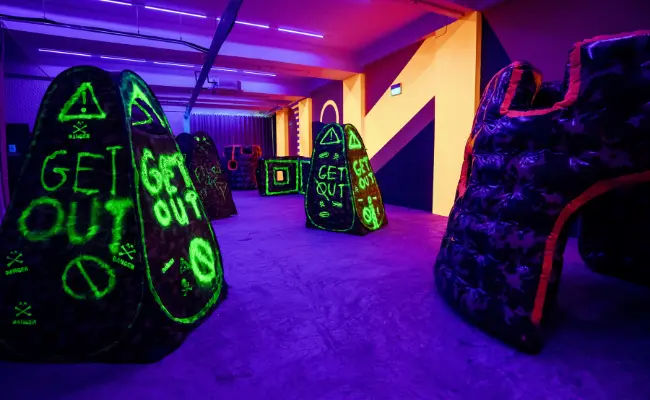
At its core, laser tag it is a non-contact game where players tag your opponents using infrared signals. Each player wears laser tag equipment—usually a vest with sensors—and carries laser guns (sometimes called a laser tag gun or laser gun).
When you tag an opponent, the system records the hit automatically. There are no projectiles and no physical contact, which is why, for safety reasons, facilitators emphasise awareness rather than aggression.
Inside a laser tag arena, lighting is intentionally low. Many laser tag arenas use effects like fog machines, sound cues, and themed layouts to shape movement. You’ll often find narrow corridors, open zones, and natural choke points that influence how players navigate of the arena.
How Games Are Structured: Teams or Solo Play

Before each round, facilitators explain the rules and objectives so everyone understands of the game.
Team-based laser tag
This is of the most common formats, especially for groups:
- Players are split into teams
- Points contribute to a shared score
- Communication matters more than individual speed
Team formats work especially well as a team building activity because players rely on each other. Even first-timers stay involved, making it popular for corporate team building, schools, and mixed-age groups.
Individual or free-play formats
In solo modes:
- Everyone competes independently
- The pace is faster
- Decision-making is immediate
Both formats can be fun, but for first-timers, team play usually lowers pressure and makes the game easier to get into.
What Counts as a Tag During Play

A valid tag happens when you:
- Aim your laser gun at an opponent’s sensor
- The infrared beam connects
- The system confirms the hit with sound or light
Shots at walls or teammates don’t count. Firing while your vest is disabled also has no effect. Accuracy matters more than volume.
This is where many players learn quickly that calm movement and timing beat constant firing—laser skirmish style spraying doesn’t usually pay off.
How Scoring Works During a Laser Tag Game
Scoring systems vary slightly, but most follow similar logic in laser tag.
Typically:
- You score points for tagging opponents
- You lose health or get temporarily disabled when tagged
- After a short countdown, you rejoin the game
Some laser tag games use unlimited respawns within a time limit. Others use shared team lives, which changes how cautiously teams move.
What affects your score most will be consistency. Staying active, supporting teammates, and avoiding repeated tags usually matter more than chasing every opponent on your radar.
Common Game Modes You’ll Encounter
Laser tag sessions rotate through a variety of objectives to keep gameplay engaging.
You might play:
- Objective-based modes where teams retrieve or defend items
- Team elimination formats focused on coordination
- Free-for-all rounds where everyone competes individually
These formats are often rotated across a session so players experience different pacing and tactics. For organisers, this variety keeps energy high and participation balanced.
How a Typical Laser Tag Session Flows

Knowing the rhythm of a session helps remove uncertainty if you are new.
Before the game
You’ll receive:
- A safety and rules briefing
- Equipment fitting and testing
- Team assignments
- Clear explanation of objectives
This briefing is where laser tag rules are reinforced, especially movement and awareness guidelines.
During the game
Once play begins:
- Players move through zones and choke points
- Teams adjust strategies mid-round
- Tagged players respawn based on the mode
- Facilitators monitor safety throughout
Lighting, sound effects, and fog help players stay oriented without overwhelming visibility.
After the round
When time ends:
- The system stops automatically
- Scores appear on screen
- Teams review results and reset
Most sessions include multiple rounds so players improve naturally over time.
How to Prepare Before Playing
You don’t need training, but preparation helps.
Wear comfortable clothes and closed-toe shoes for laser tag. Avoid loose accessories that might interfere with sensors. Since lighting is low, awareness matters more than speed.
Arriving early gives you time to ask questions and familiarise yourself with the laser tag gun before the game starts.
Laser Tag Tips That Actually Help First-Timers
Most beginner issues are behavioural, not technical. These laser tag tips come from watching hundreds of first rounds.
Keep moving
Standing still feels safe, but it often leads to being surrounded. Controlled movement usually keeps you safer and more engaged.
Play with your team
Ignoring teammates or running solo makes the game harder. Sharing quick updates and moving together improves both results and enjoyment.
These simple tips for awareness make a noticeable difference early on—even before players understand advanced tactics.
A Smarter Mindset for Your First Game
Instead of trying to win immediately, focus on understanding the flow. Learn how respawns work, where players tend to gather, and how your team communicates under pressure.
That mindset is why laser tag works so well for mixed groups. Whether it’s a casual outing or part of your next team building activity, laser tag stays accessible, inclusive, and engaging.
Laser Tag Gameplay FAQs
How long is one round of laser tag?
Most rounds last 10–15 minutes. A full session includes briefing time and multiple rounds.
What happens when you get hit in laser tag?
Your vest disables briefly, then you respawn and re-enter play.
Is laser tag physically demanding?
No. Movement is flexible, and strategy matters more than fitness.
Do you need experience to play?
No. Once you have played one round, the basics usually feel natural.
Is laser tag safe?
Yes. Infrared systems, no contact, and facilitator supervision ensure safety that you can rely on.