

If you’re looking for a group activity that feels exciting without being overwhelming, it’s fair to ask a simple question: is that it — is laser tag just a game, or does it actually offer something more?
Laser tag is often marketed as a fun night out or a quick adrenaline hit. But from years of running laser tag sessions on the ground, the reality is clearer. Engaging in laser tag combines movement, decision-making, and social interaction in a way most people don’t notice until they’re already in the game.
The real benefits of laser tag show up not as isolated features, but as part of how the experience unfolds. Laser tag is a surprisingly effective way to stay active, sharpen your mind, and connect with others, without feeling like you’re doing a workout or formal training.
What Happens to Your Body When You’re Playing Laser Tag

Movement that feels natural, not forced
Once a round starts, your body is rarely still. Playing laser tag involves walking, pivoting, crouching, stopping, and changing direction repeatedly in the arena. That constant movement keeps the session heart pumping, even if no one is sprinting.
Over time, players realise that laser tag functions as a full body workout, but without the pressure of structured exercise. It’s closer to light interval training than traditional strength training, because effort rises and falls naturally during each round.
A body workout you control yourself
One reason laser tag can be played comfortably for all ages is that intensity is self-managed. Some players move aggressively, others play with positioning and awareness. Both styles work.
Your legs handle most of the movement, your core supports balance, and your arms and shoulders stay active as you carry laser guns and respond to incoming laser beams. Together, that creates a body workout that feels playful rather than exhausting.
Coordination, Control, and Motor Skills in Laser Tag

Laser tag rewards controlled movement more than speed. Players who rush often get tagged quickly, while those who move smoothly tend to last longer.
This is where motor skills come into play. Tracking opponents, aiming accurately, and reacting to movement in real time improves hand–eye coordination in laser tag faster than people expect.
Over repeated laser tag games, players naturally refine how they move through space, improving balance and control without formal drills or coaching.
Mental and Emotional Health Benefits
Focus without mental overload
Unlike screen-based games, laser tag requires awareness of real people and real space. You are constantly scanning, listening, and adjusting in the moment.
That kind of focus keeps your mind engaged without feeling draining. Many players describe finishing a session feeling mentally clear rather than tired.
Supporting mental health through play
One of the overlooked health benefits of laser tag is how it supports mental health. Physical movement helps reduce stress and tension, while the game format keeps things light and playful.
Because there are no serious consequences for mistakes, players take risks, adapt, and learn comfortably. This balance supports overall well being and makes laser tag sustainable as a regular activity.
Why Laser Tag Works as a Workout Without Feeling Like One
One reason laser tag continues to attract repeat players is that it delivers the benefits of a workout without being framed as exercise. Most people don’t show up thinking about fitness goals. They come for the game. The movement happens naturally as part of staying alive in the round.
In a typical session, playing laser tag creates short bursts of effort followed by brief recovery moments. That stop-start rhythm is similar to interval training, where your heart rate rises, settles, and rises again. Over multiple rounds, this pattern keeps energy high and makes the activity sustainable, even for participants who normally avoid structured workouts.
What sets laser tag apart from strength training is that there is no single muscle group being targeted in isolation. Instead, laser tag is a coordinated experience that engages your legs, core, and upper body together. You’re turning corners, holding your laser guns steady, reacting to laser beams, and adjusting your posture constantly. The result is a full body workout that feels dynamic rather than repetitive.
From an operator’s perspective, this is why laser tag works well for groups with mixed fitness levels. Some players move aggressively, others conserve energy and focus on positioning. Both approaches are valid, and both contribute to the overall body workout. No one feels left behind, and no one feels pushed beyond their limits.
This makes laser tag especially effective when you need to keep a group active without creating resistance. Instead of asking people to “exercise,” you give them a game. The outcome is movement, engagement, and participation that feels effortless, fun and social at the same time.
For many groups, that balance is exactly what keeps laser tag appealing long after the novelty wears off.
Why Laser Tag Works as a Group Activity
.webp)
Natural teamwork without pressure
Laser tag encourages communication, but it doesn’t force it. Players coordinate instinctively, reacting to teammates and situations as they unfold.
This is why laser tag works well as a team building activity. Success depends on awareness and timing, not dominance, making it accessible for mixed groups.
Inclusive by design
Laser tag a rare example of a competitive game that remains welcoming. Kids, teens, adults, and first-timers can all contribute meaningfully.
As one of the few activities that doesn’t rely on strength or experience, laser tag remains approachable while still being engaging.
Why the Laser Tag Arena Experience Matters
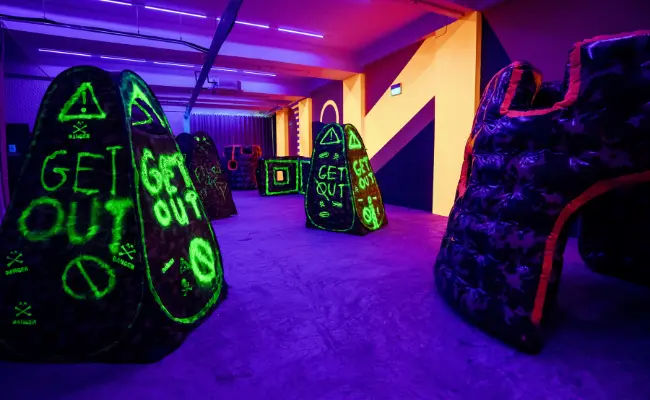
Not all setups deliver the same outcome. A professionally run laser tag arena focuses on pacing, safety, and clarity.
Clear briefings, well-maintained equipment, and structured rounds ensure players stay immersed in the game rather than distracted by confusion. Good facilitation turns laser tag from chaos into flow, especially for larger groups.
This is a key part of why organised laser tag and well-designed sessions feel more rewarding than ad-hoc play.
Final Thoughts: Is Laser Tag Just Fun, or More Than That?
Laser tag blends movement, focus, and interaction into a single experience. It keeps the body active, sharpens the mind, and supports health without feeling like exercise.
As a group activity, it scales easily, adapts to different energy levels, and delivers consistent value across ages and group types.
If you need an activity that is fun and engaging, supports health benefits, and works naturally for social or organised groups, laser tag offers far more than it first appears.
Laser Tag Benefits FAQs
What are the main benefits of laser tag?
The main benefits of laser tag come from how it combines movement, focus, and social interaction in one experience. Playing laser tag keeps the body active, engages your mind, and encourages natural teamwork without feeling like formal exercise or training. It works well as a fun group activity while still offering real health and social value.
Is laser tag a full body workout?
Laser tag can be considered a full body workout at a light to moderate level. During laser tag sessions, players walk, turn, crouch, and react continuously, keeping the heart pumping throughout each round. While it does not replace strength training, it provides a body workout similar to interval training, with bursts of activity followed by short recovery periods.
Does laser tag improve mental health and well being?
Yes, one of the health benefits of laser tag is its positive effect on mental health and overall well being. Engaging in laser tag helps reduce stress and mental fatigue by combining physical movement with focused play. Many players find that laser tag games are mentally refreshing because they require presence and attention without high pressure.
Is laser tag suitable for all ages?
Laser tag is designed for all ages because players can control their own pace and intensity in the game. In the laser tag arena, children, teenagers, and adults can participate together comfortably. Since laser tag is non-contact and easy to understand, it remains accessible even for first-time players.
Can laser tag help with coordination and motor skills?
Yes. In laser tag, players constantly track movement, aim laser guns, and respond to laser beams in real time. This improves hand–eye coordination and motor skills naturally, especially as players learn to move with control instead of rushing.
Is laser tag good for team building?
Laser tag works well as a team building activity because success depends on awareness, timing, and cooperation rather than physical strength. As a group activity, it encourages communication and shared decision-making in a low-pressure environment, making it suitable for mixed teams with different personalities and energy levels.
Is laser tag just for fun, or does it offer health benefits?
Laser tag is fun, but it also offers meaningful health benefits. The activity keeps participants active, supports mental health, and engages both the body and mind. That balance is what makes laser tag more than just entertainment for many groups.